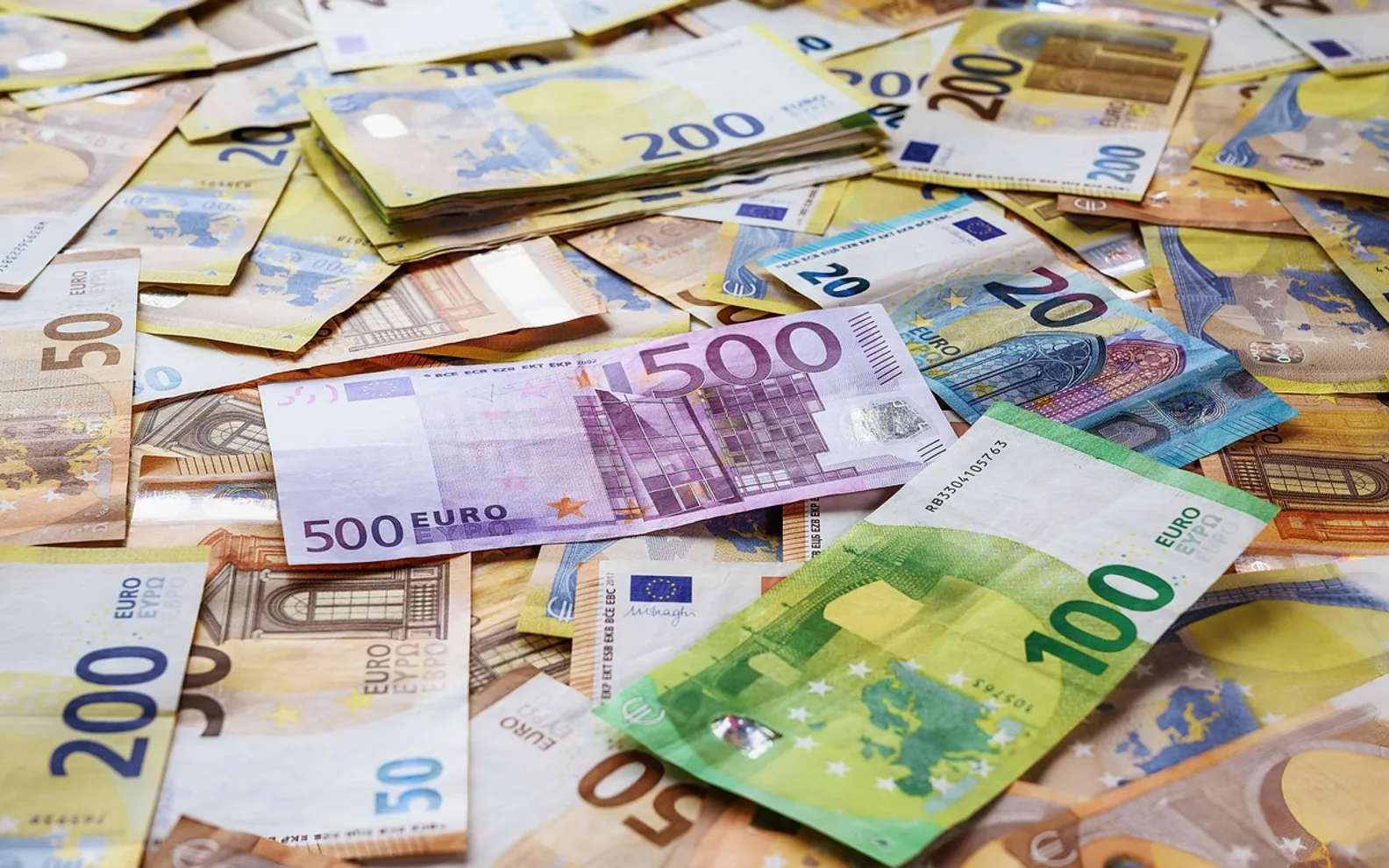
Every time a company pays a supplier abroad or a traveller swaps cash at an airport kiosk, one currency is exchanged for another. Forex trading is the name for that exchange when it is done deliberately, on a large scale, and often with the aim of profiting from changes in price. This page explains the basic mechanics. It is an introduction, not a recommendation to trade.
Currencies are always quoted in pairs
A currency has no price on its own; it only has a price in terms of another currency. That is why rates are written as pairs such as EUR/USD or GBP/JPY. The first currency is the base, the second is the quote, and the rate tells you how many units of the quote currency one unit of the base is worth at that moment.
Someone who expects the euro to strengthen against the dollar might buy EUR/USD; someone expecting the opposite might sell it. If the rate moves the other way, the position loses value. There is no guaranteed direction, and a currency that looks "cheap" can keep getting cheaper.
A market without a single trading floor
Shares usually change hands on a named exchange. Currency deals do not. Banks, brokers, businesses, funds and central banks trade with one another through electronic networks spread across financial centres, which together make up the forex market. Because those centres sit in different time zones, trading continues around the clock on weekdays and pauses only at the weekend.
Who takes part
- Commercial banks, which handle currency for their clients and for themselves.
- Businesses that import, export or report earnings in more than one currency.
- Central banks, whose interest-rate decisions and interventions can move a currency sharply.
- Retail traders, who reach the market through an online broker.
What moves exchange rates
Interest-rate expectations, inflation reports, employment figures, trade balances, elections and unexpected news can all shift demand for a currency. Prices often react within seconds, and the reaction does not always match what the headline seemed to suggest. Even professional forecasters regularly get the direction wrong.
Leverage: the feature that deserves the most caution
Retail brokers commonly let customers control a position far larger than the cash they deposit. That magnifies gains, but it magnifies losses in exactly the same way, and a small move against a leveraged position can wipe out an account quickly. Rules on maximum leverage differ from country to country, and many regulators require brokers to publish how many of their retail clients lose money.
Before going any further
Anyone curious about currency trading should start by learning how quotes, spreads and margin calls work, check that a broker is authorised by the financial regulator where they live, and practise on a demo account first. Only money you can afford to lose belongs anywhere near a live trade. If you are unsure whether trading suits your circumstances, an independent, regulated financial adviser is the right person to ask, not a website.
Questions? Write to us.
We read every message.
Across the sections
Tech
- Create Professional-Looking SVG Graphics With Online Editing Tools
- Editing Ready: Why and How to Convert MP3 to WAV Without Myths
- From First Call to Month Six: What a High-Performing SEO Agency Engagement Looks Like
- Beyond Activation: How to Maintain, Upgrade, and Make the Most of a Free Government Phone Over Time
Business
- What to Include in a Window Cleaning Brief for a Vienna Building
- Stand Out and Sell More: Creative Ways Digital Displays Elevate Your Brand
- Turning a Citation into Opportunity: The Value a Traffic Lawyer Brings to the Road
- Dental Partnership Agreements: Why You Should Never Sign Without a Dental Lawyer